
?
Most people land in Bali with Seminyak already on their list, but surprisingly few can describe what it actually is before they arrive. Seminyak Bali is a chic coastal district on the island’s southwestern shoreline, positioned between the party energy of Legian to the south and the cooler, more residential Kerobokan to the north. It’s the area that somehow manages to feel upscale and relaxed at the same time. You get world-class restaurants, boutique shopping, and spectacular sunsets without the chaos that defines some of Bali’s more crowded tourist zones.
Table of Contents
- Key takeaways
- What is Seminyak Bali and where exactly is it
- The cultural roots behind Seminyak’s appeal
- Top attractions and things to do in Seminyak
- Practical tips for enjoying Seminyak smoothly
- How Seminyak compares to nearby Bali areas
- My honest take on Seminyak after years of visits
- Stay in Seminyak the way it deserves
- FAQ
Key Takeaways
| Point | Details |
|---|---|
| Upscale coastal district | Seminyak sits between Legian and Kerobokan on Bali’s southwest coast, close to the airport. |
| Best time to visit | The dry season from April to September delivers the most reliable beach and outdoor conditions. |
| Beaches are for sunsets, not swimming | Strong currents make casual swimming risky; the beaches shine for surfing and sunset views. |
| Walking beats driving | During peak hours, foot traffic moves faster than cars or taxis through Seminyak’s streets. |
| Stay at least three nights | Three nights is the recommended minimum to absorb the dining, beaches, and cultural highlights. |
What is Seminyak Bali and Where Exactly is it?
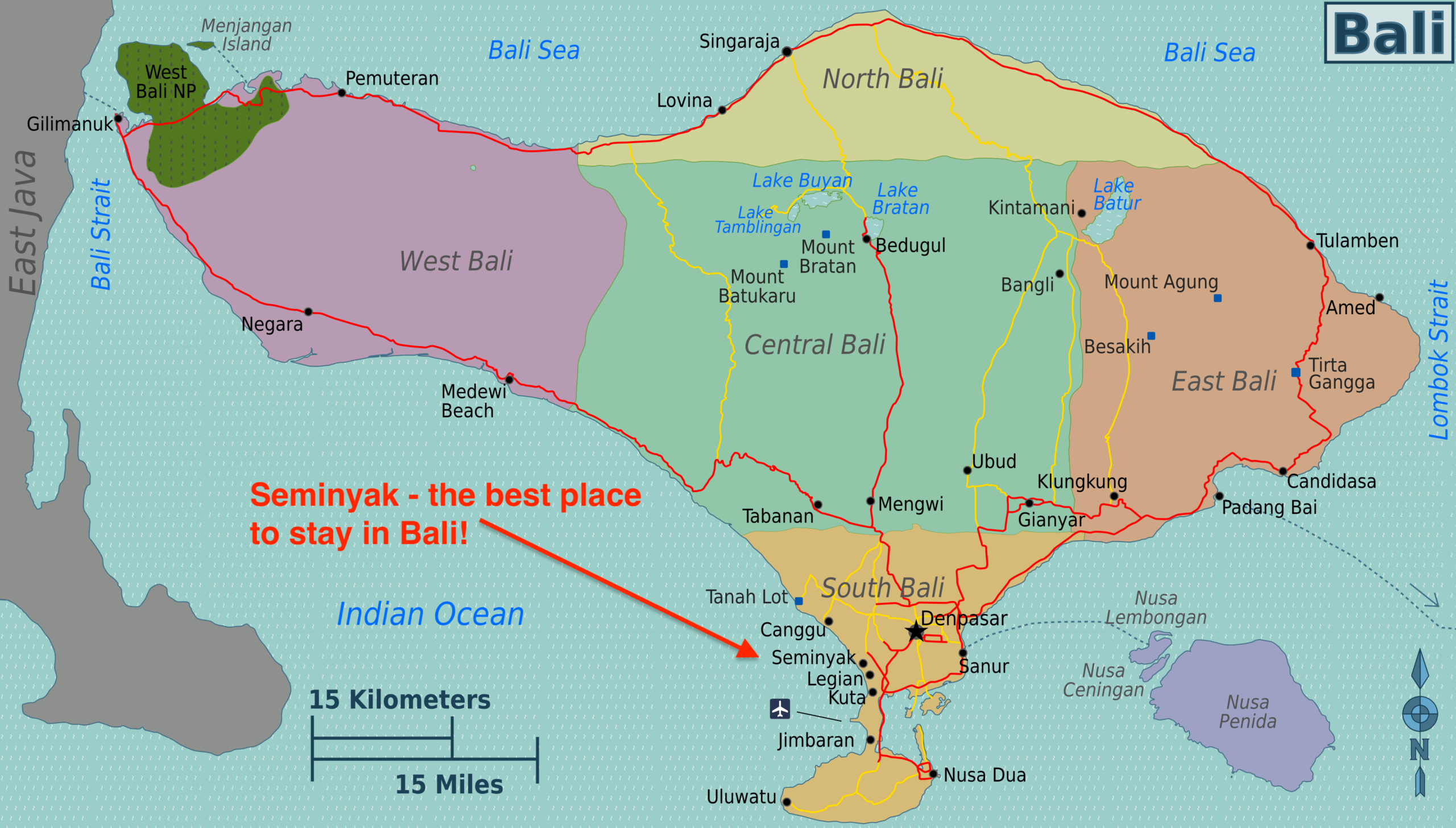
Seminyak sits on Bali’s southwestern coast, bordered by Legian, Kerobokan, and the Indian Ocean. From Ngurah Rai International Airport, you’re looking at a 30 to 45 minute drive depending on when you travel. That’s close enough to feel convenient, but traffic can stretch those numbers significantly during rush hours or peak season.
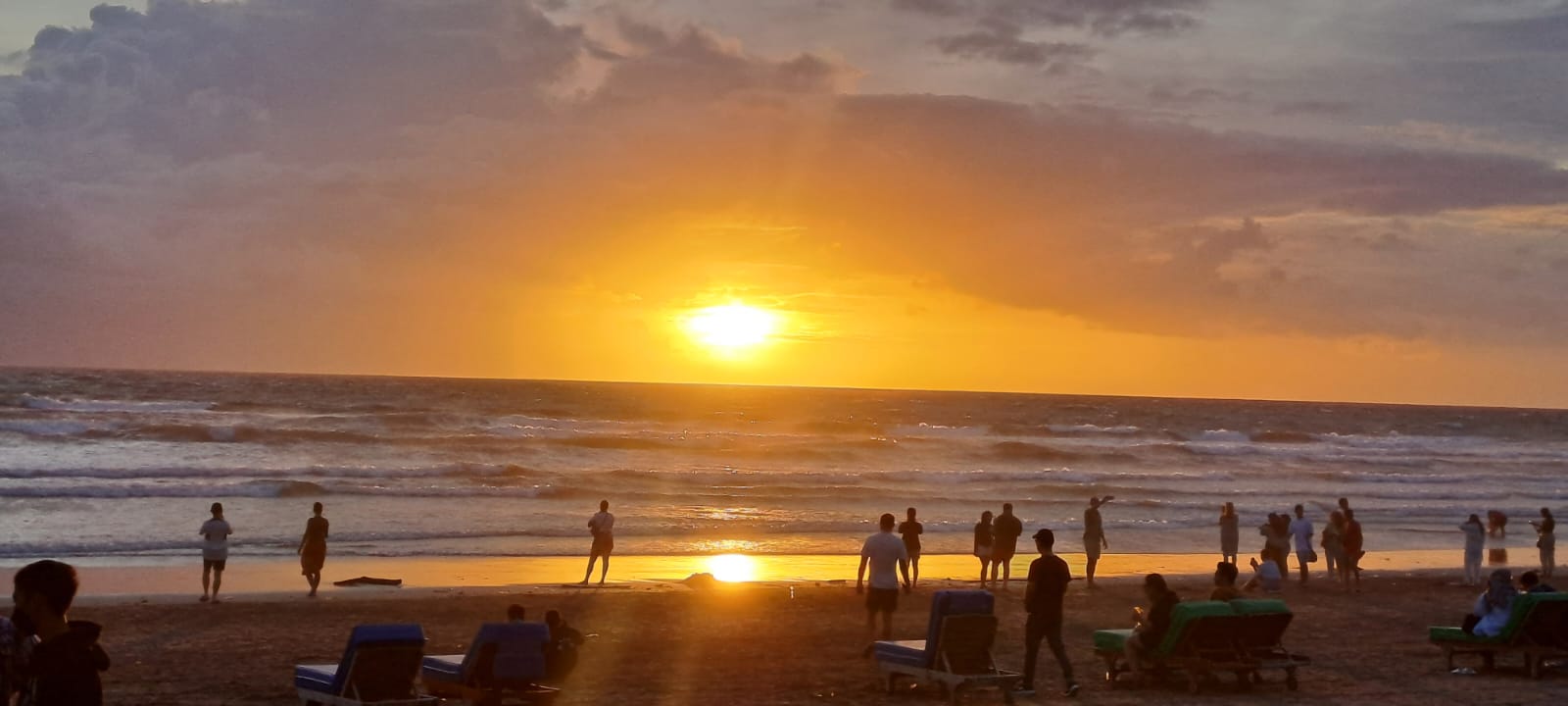
The area faces west, which is the reason for those signature golden sunsets that fill every travel photo you’ve ever seen from this part of Bali. The Indian Ocean coastline stretches along the western edge, with Seminyak Beach and Petitenget Beach serving as the two main stretches where visitors spend their afternoons.
When people ask about the Seminyak Bali overview, geography is often the missing piece. Seminyak isn’t a city or a formal municipality. It’s a neighborhood-scale district within the larger Kuta subdistrict of Badung Regency. This matters because it means the area is compact and highly walkable in sections, even though motorbikes and cars still dominate the main Jalan Seminyak corridor.
Getting There and Getting Around
Transportation from the airport is straightforward. You have several practical options:
- Metered taxis (Blue Bird is the most reliable): a standard fare to Seminyak runs roughly 100,000 to 150,000 Indonesian Rupiah
- Ride-hailing apps like Grab and Gojek offer competitive rates and eliminate fare negotiation
- Private transfers booked through your accommodation: a slightly higher cost but more predictable timing
- Scooter rental once you’re settled: the most efficient way to move around locally
The tropical climate ranges from 22°C to 33°C year round, with a dry season running April through September and a wet season from October through March. Most travelers plan around the dry season for good reason. The wet season brings short, heavy afternoon downpours that can interrupt beach plans, though mornings tend to stay clear.
Pro Tip: If you’re visiting between July and August, book accommodation well in advance. These months represent peak demand, and availability at well-located properties fills up months ahead.
The Cultural Roots Behind Seminyak’s Appeal
Seminyak wasn’t always a hotspot for design boutiques and rooftop bars. Its transformation from fishing village to upscale destination began in the 1970s and 1980s, when early expatriates and travelers discovered it as a quieter, more private alternative to the then-crowded Kuta and Legian strips.
That backstory shapes the area’s personality today. You’ll still find evidence of the original Balinese village character woven into the streets, even as luxury villas and high-end restaurants have become the dominant features.
The cultural layer shows up in specific ways:
- Temple ceremonies: Pura Petitenget, one of Bali’s directional sea temples, sits directly within Seminyak and hosts regular Hindu ceremonies. Watching a procession in full ceremonial dress against the backdrop of the ocean is genuinely moving.
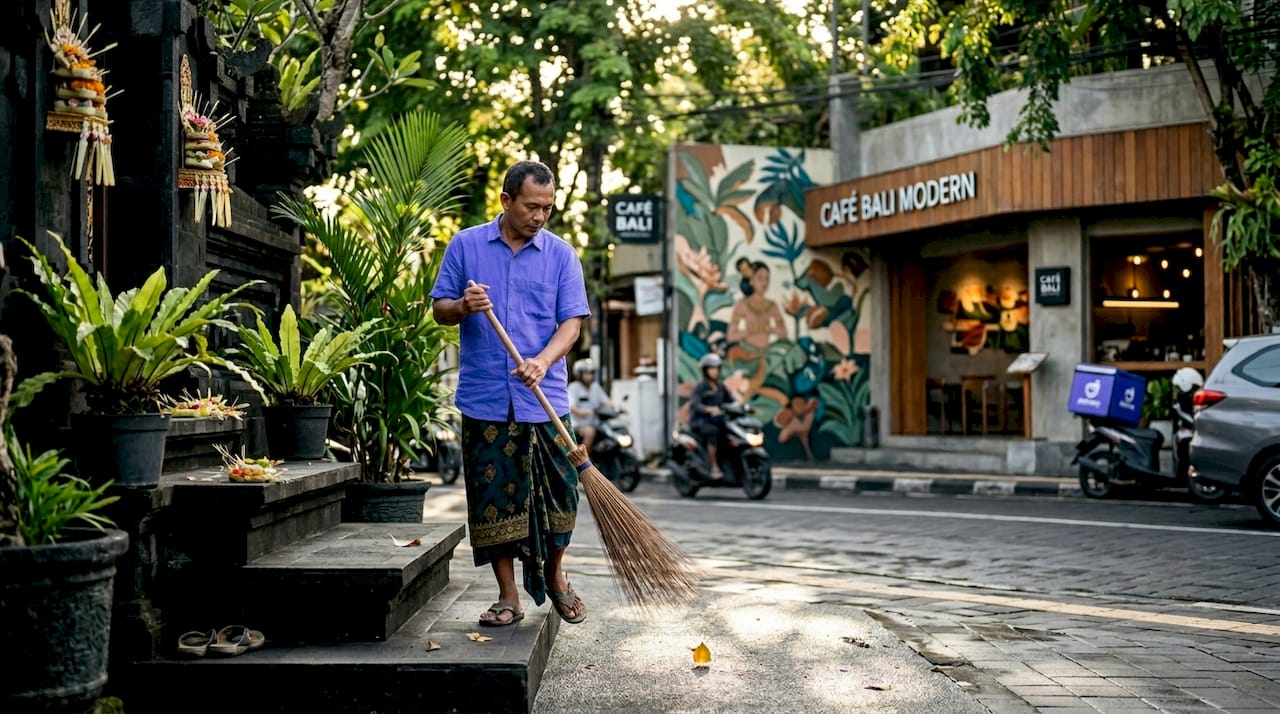
- Morning offerings: Every morning, local residents place small woven palm leaf trays called canang sari at doorways, on sidewalks, and at intersections. You’ll step around them constantly.
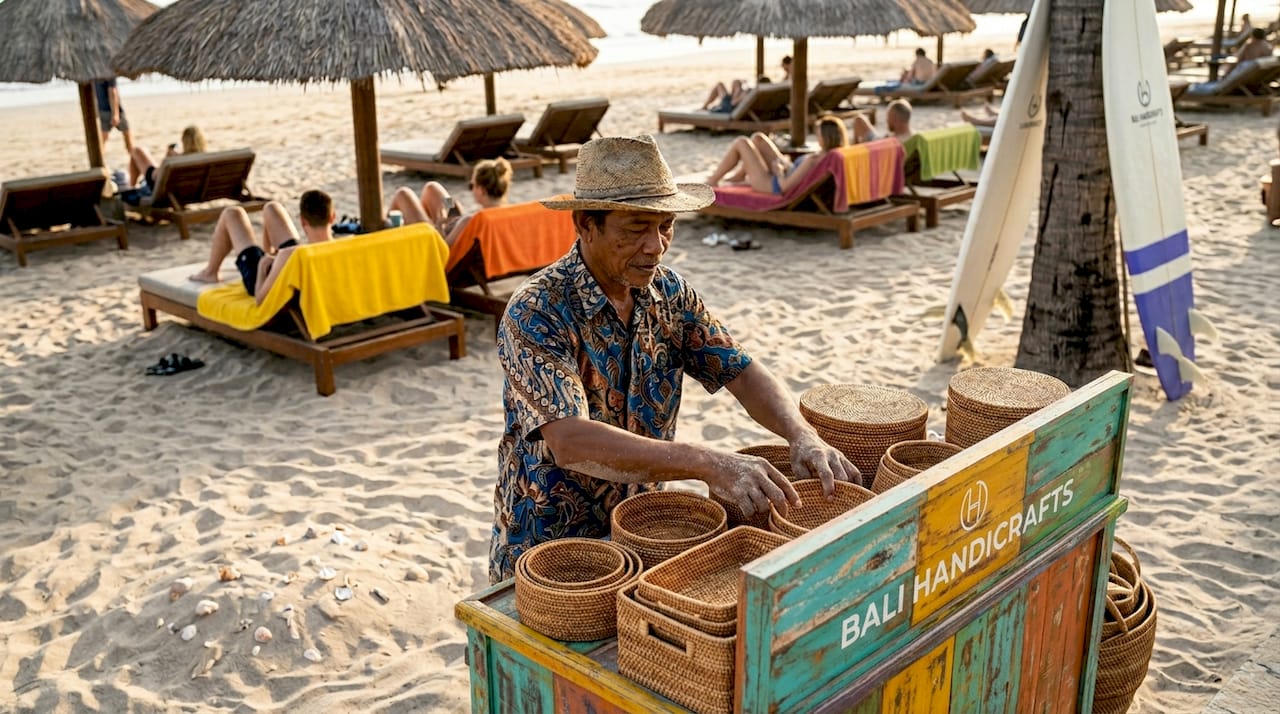
- Local markets: The Seminyak Square area and smaller side-street vendors sell Balinese crafts, textiles, and fresh produce alongside the designer boutiques.
- Community life: Despite the tourism overlay, many locals still live and work in the area, maintaining the sense of an active community rather than a pure tourist zone.
Seminyak blends the old soul of Bali with the modern energy of international travel culture. The two don’t clash as much as you’d expect. They’ve found a way to coexist.
The presence of Pura Petitenget is especially worth noting for first-time visitors. This Hindu sea temple sits near the northern end of Seminyak’s beach strip and is considered sacred ground. Dress respectfully if you visit, which means a sarong and sash. Most temples near tourist areas keep them available for a small donation.
Top Attractions and Things To Do in Seminyak
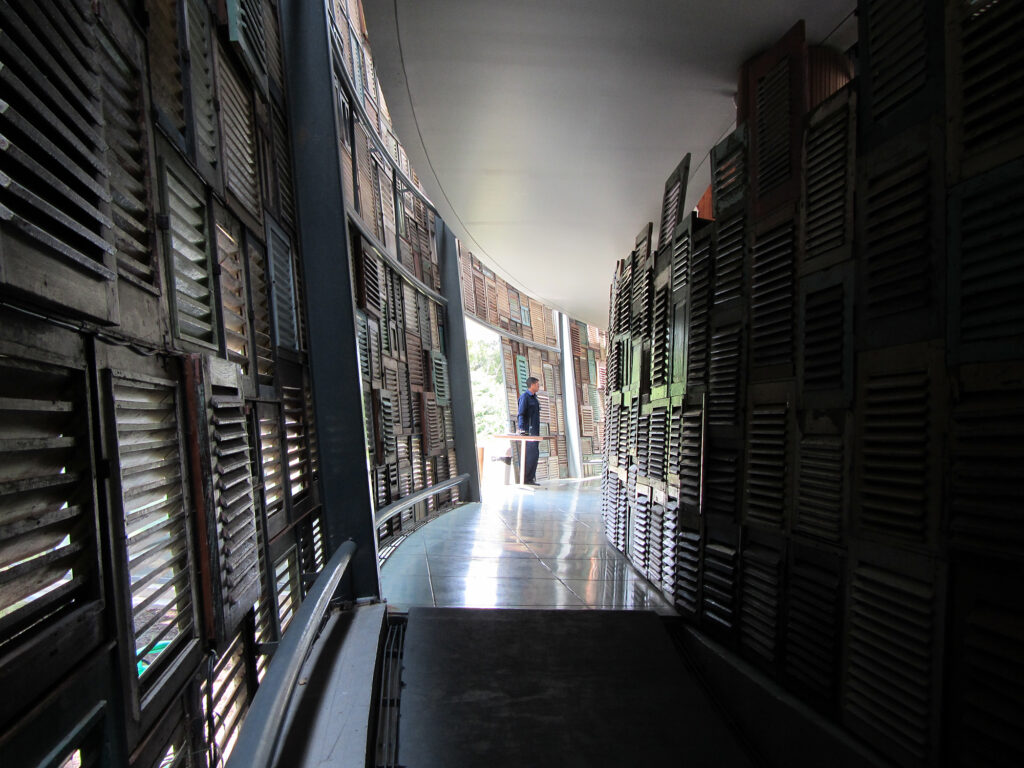
Seminyak Bali is known for a specific combination of experiences that you won’t find assembled quite the same way in other parts of Bali. Here’s a breakdown of what draws visitors and keeps them coming back.
- Beach life at Seminyak Beach and Petitenget Beach: Both beaches offer spectacular sunset viewing and a comfortable stretch of sand for afternoons in the sun. Sunbed rentals cost around 50,000 IDR (approximately $3.20 USD) for a half day at independent vendors, though beach clubs typically require a minimum spend for their loungers.
- Surfing: Experienced surfers appreciate Petitenget Beach for its strong currents and powerful waves. If you’re a beginner, this stretch is not where you want to learn. Head to Kuta or Canggu for gentler breaks.
- Dining: Seminyak’s restaurant scene is genuinely exceptional. Bali Seminyak attractions in the food category span everything from warung-style local cooking to internationally recognized fine dining. La Lucciola, Sarong, and Merah Putih are long-standing favorites. The concentration of quality per square kilometer here is unusually high.
- Beach clubs: Potato Head Beach Club is the landmark name, known for its circular pool, weekend DJ sets, and ocean-facing design. It’s not cheap, but it delivers an experience that’s become synonymous with Seminyak.
- Shopping: Seminyak Road and Jalan Kayu Aya (locally called Eat Street) are lined with boutique stores selling Balinese textiles, handcrafted jewelry, leather goods, and contemporary fashion. The quality is noticeably higher than the souvenir markets of Kuta.
- Spas: World-class spa treatments at competitive prices are one of Seminyak’s genuine selling points. A one-hour traditional Balinese massage typically runs between $15 and $30 USD at independent spas, with luxury villa spas like Bodyworks charging more.
- Nightlife: The area has a layered nightlife scene. Early evening belongs to sunset cocktails at beach clubs. Later, bars along Jalan Kayu Aya pick up the energy without descending into the raucous vibe you’d find in Kuta.
Seminyak Dining Snapshot
| Category | Price range (per person) | What to expect |
|---|---|---|
| Local warung | $3 to $8 USD | Nasi goreng, mie goreng, fresh juices |
| Mid-range cafe | $10 to $20 USD | International menus, avocado toast, cocktails |
| Upscale restaurant | $30 to $60 USD | Curated menus, wine lists, refined ambiance |
| Beach club (minimum spend) | $25 to $50 USD | Sunbed access, cocktails, shared plates |
Seminyak’s dining options span a wide enough range that budget travelers and luxury visitors both find their footing here.
Practical Tips for Enjoying Seminyak Smoothly
Knowing a few things before you go saves you real frustration. The most counterintuitive one comes first.
Walking beats driving in Seminyak during peak hours. The main road through the area is notorious for gridlock, and a 500-meter car ride can genuinely take 20 minutes. If your villa or hotel sits within a kilometer of where you want to go, walk or rent a scooter. It’s not just faster. It’s how you actually see the neighborhood.
Other things to know before you go:
- Swim with caution: Strong currents make casual swimming dangerous at both Seminyak and Petitenget Beach. Admire the ocean from the sand or catch a surf lesson through a reputable school.
- Dress codes at temples: Carry a sarong if you plan to explore the area on foot. Pura Petitenget and other smaller shrines expect covered shoulders and waists.
- Cash is still king in places: While larger restaurants and shops accept credit cards, smaller warungs, market vendors, and some spas operate cash-only.
- Negotiate respectfully: At markets and with some transport options, light negotiation is expected and normal. Don’t undercut aggressively, but don’t accept the first price without a polite counter.
- Respect the offerings: Those palm-leaf trays on the ground are not litter. Walk around them, not through them.
Staying at least three nights gives you enough time to move past the adjustment phase and actually settle into the rhythm of the place. A longer stay of five to seven days lets you explore surrounding areas like Canggu or Umalas while using Seminyak as your base.
Pro Tip: Book any high-demand beach club visits in advance during peak season, particularly for weekend afternoons. Walk-in access at popular spots like Potato Head can mean long waits or outright rejection.
How Seminyak Compares to Nearby Bali Areas
If you’re weighing your options, this table helps place Seminyak in context against its neighbors.
| Area | Vibe | Crowd level | Best for |
|---|---|---|---|
| Kuta | Lively, party-focused | Very high | Budget travelers, nightlife |
| Legian | Mid-range, transitional | High | Families, first-time visitors |
| Seminyak | Upscale, design-forward | Medium-high | Luxury seekers, foodies |
| Canggu | Bohemian, surf-centric | Medium | Digital nomads, surfers |
| Uluwatu | Clifftop, dramatic scenery | Lower | Honeymooners, experienced surfers |
Seminyak wins on the specific combination of sophisticated dining, beach clubs, spas, and boutique shopping at a density no other Bali area matches. Canggu has more of a backpacker-meets-creative energy. Kuta serves volume tourism. Seminyak targets people who want quality and comfort without the sterility of a purpose-built resort town.
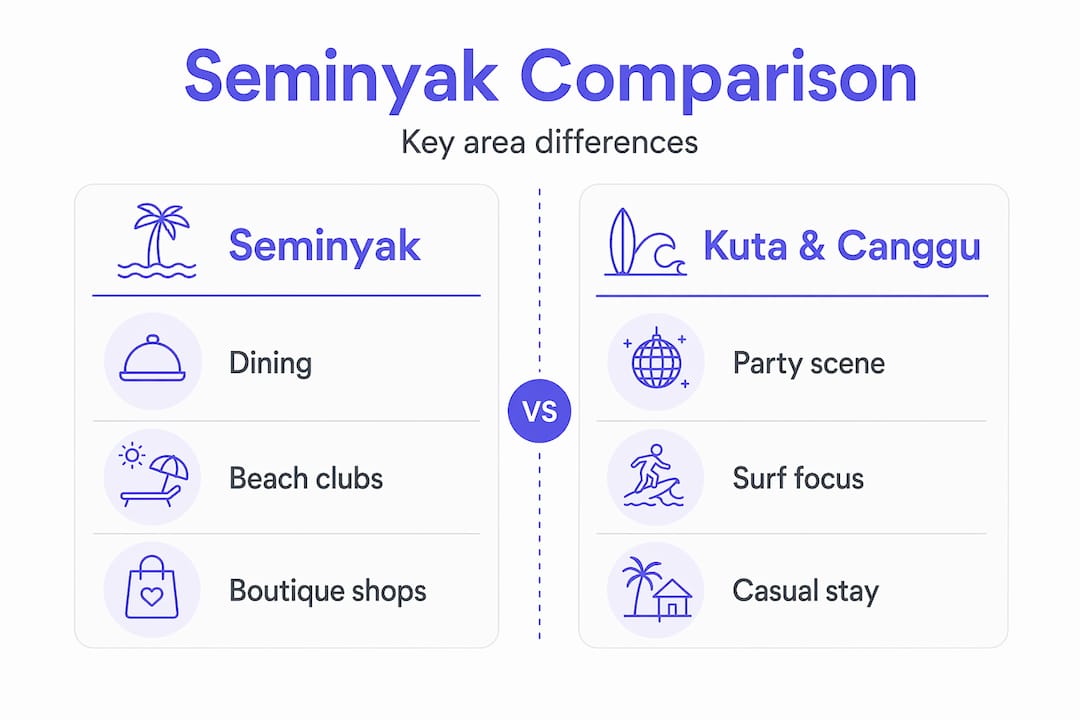
The cultural layer also differentiates it. Unlike some heavily commercialized areas, Seminyak still has active Balinese community life running parallel to the tourist economy. That texture makes it feel alive rather than manufactured.
My Honest Take on Seminyak After Years of Visits
My first time in Seminyak, I expected it to feel like a glossier version of Kuta. I was wrong. What surprised me most was the intimacy of the place. The streets are narrow, the villas peek over high walls, and the neighborhood has a pace that doesn’t constantly demand your attention. You can be as social or as private as you want.
What I’ve learned about getting around is simple but worth saying plainly: rent a scooter for at least one day. The difference in how much you see and experience compared to sitting in a cab is significant. You access side streets, find the warung that doesn’t show up on any app, and understand the actual geography of the area in a way that windshields don’t allow.
The thing I tell everyone planning their first trip is to resist filling every hour with activities. Seminyak rewards people who slow down. A long breakfast at a good cafe, an afternoon reading on a sunbed, a temple visit at dusk, and dinner somewhere you can actually hear your dining partner. That’s the best version of this place.
Balancing luxury tourism with authentic experience requires a little intention. It’s easy to stay entirely within the expat and tourist bubble. You have to choose to step outside it. Visit the local market early in the morning. Acknowledge the people who live and work here beyond the hospitality industry. The Casa Brio Bali blog has genuinely useful local insights if you want specific recommendations before you land.
— Djani
Stay in Seminyak The Way it Deserves
If this guide has given you a clearer picture of what Seminyak offers, the next question worth asking is where you’ll base yourself while you’re there. Casa Brio is a luxury private villa in the heart of Seminyak with four to five bedrooms designed for travelers who want space, privacy, and full amenities without sacrificing location.
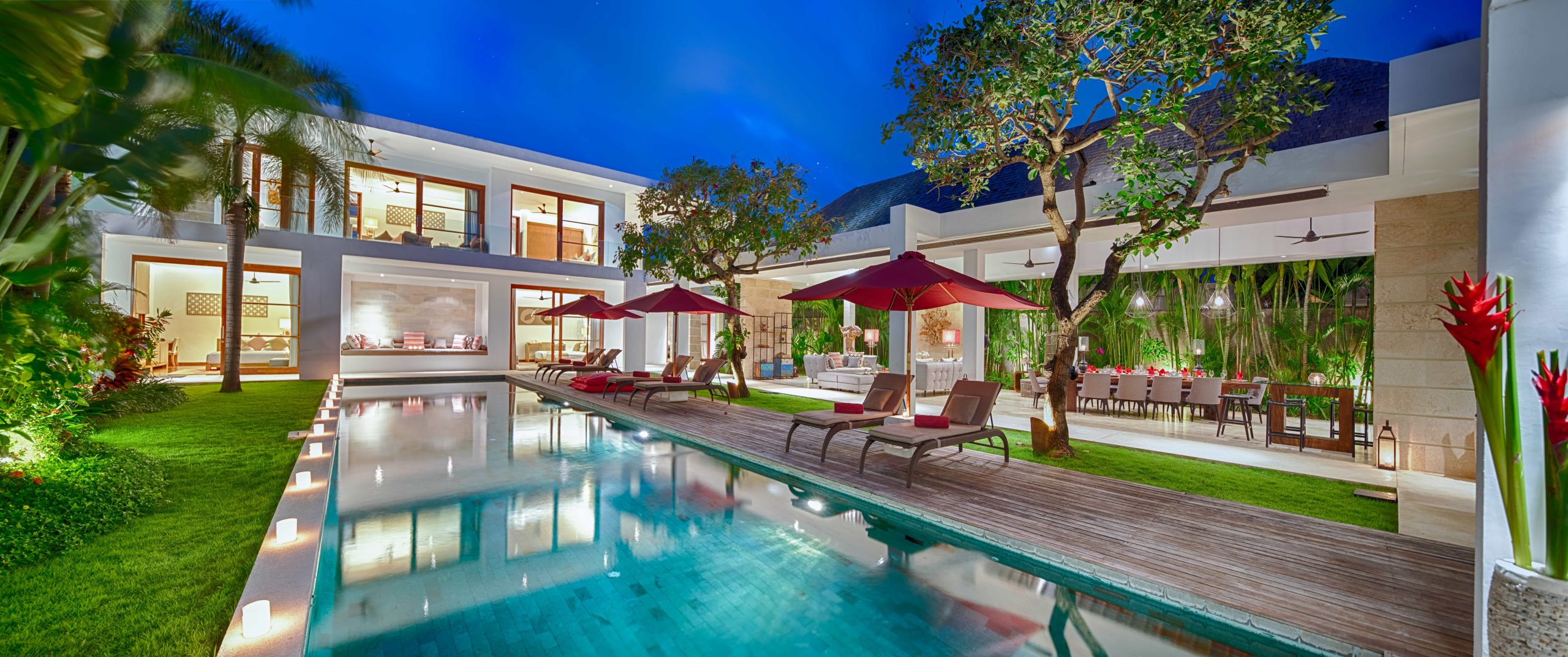
When you stay at Casa Brio Bali, you’re within easy reach of the beaches, restaurants, and cultural sites described in this guide. The villa includes on-site spa services so you can experience Bali’s famous wellness culture without leaving the property. Check the current rates and availability to plan your stay, or explore the villa layout to see exactly what you’re booking before you commit.
FAQ
What is Seminyak, Bali known for?
Seminyak is known for its upscale beach clubs, sophisticated dining, boutique shopping, and vibrant nightlife. It attracts luxury travelers and design-conscious visitors who want Bali’s charm with a polished edge.
Is Seminyak good for swimming?
No. Strong currents and large waves make casual swimming at Seminyak and Petitenget Beach risky for most visitors. The beaches are best used for sunset viewing, walking, and experienced surfing.
How far is Seminyak from the Bali airport?
Seminyak is approximately 30 to 45 minutes from Ngurah Rai International Airport by car, though traffic congestion during peak hours can extend that significantly.
When is the best time to visit Seminyak?
The dry season from April to September offers the most reliable weather for beach activities and outdoor dining. July and August are the busiest months, so book accommodations early.
How long should you stay in Seminyak?
A minimum of three nights is recommended to properly experience Seminyak’s dining, beaches, and cultural highlights. Five to seven nights gives you enough time to explore neighboring areas like Canggu as well.